FACT OR FICTION #4

The Accidental Samurai is based on historical figures as well as fictional characters. Every week I will post the names of two characters and readers can guess whether the characters are actual people who lived in the Tenth Century or fictional characters. After two or three days I will post the answers. Today’s character:

Sakanoue no Mochiki

Fact or Fiction #3: Answer

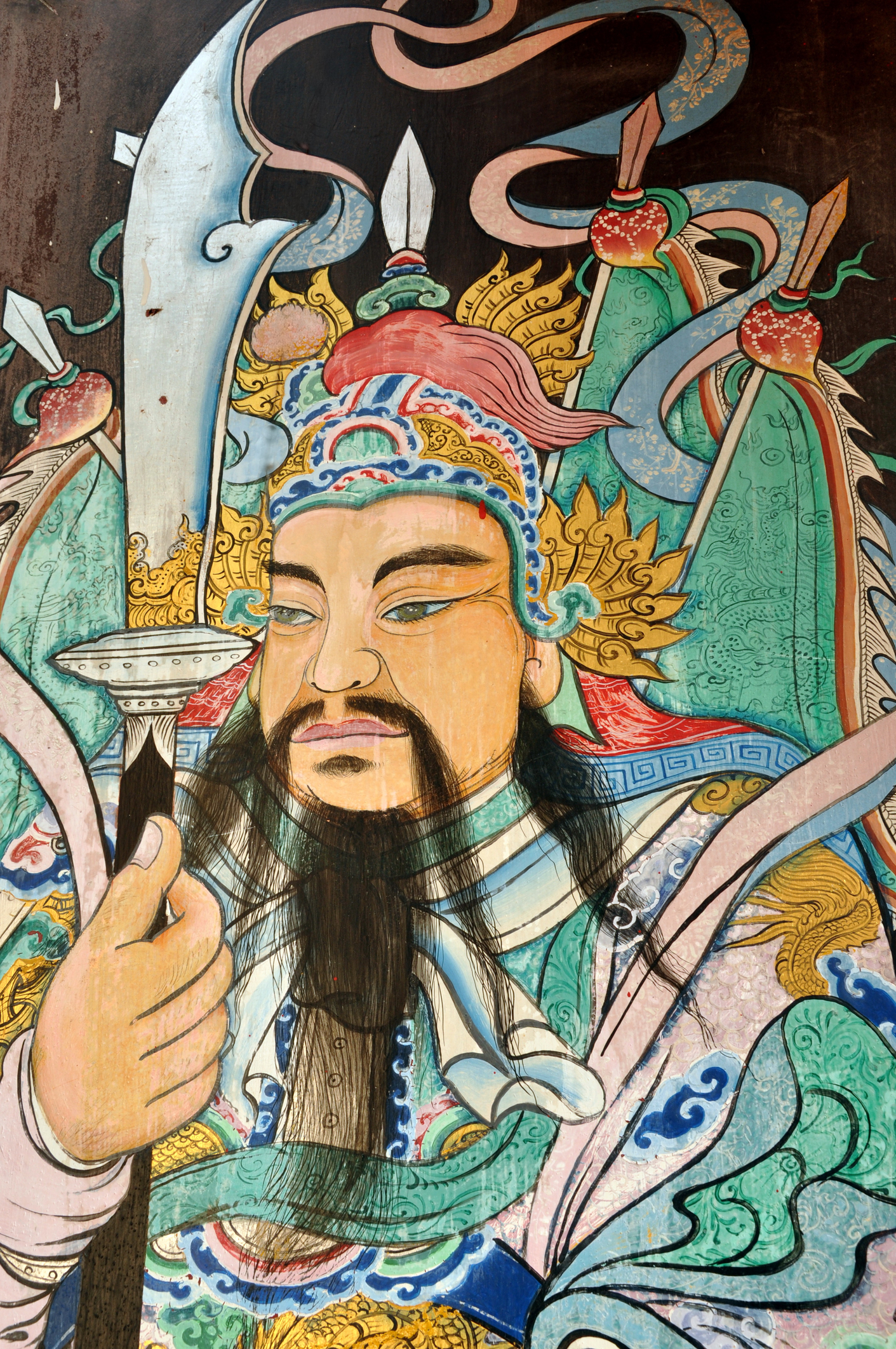
?????????????????????????????????????????????????????????????????????????????? Qian Zhaou is a fictional character, but he is based on real New Song dynasty warriors in Emperor Taizu’s army. His armour and fighting style are based on New Song Dynasty armour and tactics. Additionally, Qian’s rise up the ranks based on his skill as a warrior is consistent with Emperor Taizu’s approach of focusing on skill and merit more than class. Emperor Taizu’s successors sometimes failed to follow his example in this regard, which led in part, to a weakening of the dynasty.

Qian’s  marriage to Lia based on love rather than arrangement by his family is somewhat unusual, but not unheard of, during that era. Qian’s loyalty to his friend Bar Asher, despite Bar Asher’s foreign ancestors, is one of Qian’s most inspirational traits. It is also consistent with Emperor Taizu’s openness to people of foreign descent living in China.

FACT OR FICTION #3

The Accidental Samurai is based on historical figures as well as fictional characters. Every week I will post the names of two characters and readers can guess whether the characters are actual people who lived in the Tenth Century or fictional characters. After two or three days I will post the answers. Today’s character:

Qian Zhaou

FACT OR FICTION #2: ANSWER

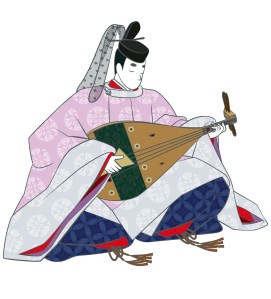
istock_000042837530mediumFujiwara no Kata is a fictional character based on a number of real people who lived in Kyoto during the 10th Century. Kata is a member of the Fujiwara clan, but clearly disagrees with the political aspirations of some of the clan leaders. This was true of a number of important people in the Fujiwara clan. He is also a gifted poet and player of the biwa (the instrument in the picture above). During the Heian era in Japan, especially in the 10th Century, artistic talent was highly valued.

Kata is exceptionally wise. Although he is narrow-minded at first toward Bar Asher, he sees the situation in Japan in a much broader way than most of his noble contemporaries. Therefore, in creating his name I combined the Japanese Kanji characters for “broad-minded” (闊達 pronounced Kattatsu) and “wise man” (賢者 pronounced Kenja), and came up with the name Kata. In Japanese the family name goes first. So Fujiwara (his family name) goes before Kata. The term “no” that you see connecting many of the names in the book is called a particle. During much of Japanese history “no” was used to connect family and given names. Therefore, in English, Fujiwara no Kata means: Kata of the Fujiwara family.

Today, the “no” is dropped from Japanese names, but the family name still comes first in most contexts. For example, the famous baseball player Ichiro’s full name in Japanese is Suzuki Ichiro. Suzuki is his family name and Ichiro his given name.
Fact or Fiction #2

I want to thank everyone for the wonderful response to the first Fact or Fiction posts. Originally, I planned to do one Fact or Fiction a week, but thanks to the great response I will now also do a Fact or Fiction on Wednesday and post the answer on Friday. For those new to fact or Fiction, here is an updated description:

The Accidental Samurai is based on historical figures as well as fictional characters. Every week I will post the names of two characters and readers can guess whether the characters are actual people who lived in the Tenth Century or fictional characters. After two or three days I will post the answers. Today’s character:

Fujiwara no Kata

Fact or Fiction #1 Answer

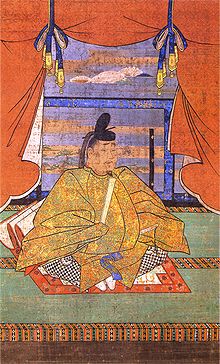
220px-Emperor_Murakami  Emperor Murakami was a real person, and he reigned as Emperor of Japan from 946-967. He succeeded his brother Emperor Suzaku, both of whom were sons of the famed Emperor Daigo. Emperor Daigo and his father had serious issues with the Fujiwara Clan, and both challenged the Fujiwara clan’s political influence.

Emperor Murakami was less able to challenge the Fujiawara clan’s influence than his father, but stories about his attempt to lower taxes on the people, and interference with those plans by local officials, have been documented. The Accidental Samurai brings this issue and some of the tension between the Emperor and the Fujiwara Clan to a head. Emperor Murakami was, as The Accidental Samurai shows, a gifted musician. His biwa (a musical instrument), named Kenjou, mentioned in the novel, is famous in Japanese history.

Stay tuned for the next Fact or Fiction!

Fact or Fiction

The Accidental Samurai is based on historical figures as well as fictional characters. Every week on Friday I will post the name of a character and readers can guess whether the character is an actual person who lived in the Tenth Century or a fictional character. Each Monday I will post the answer. This weeks character:

Emperor Murakami